Renting a property can be a complex process, but having a clear and concise rental agreement in place can help protect both the landlord and the tenant. A basic rental agreement outlines the terms and conditions of the rental, including the rent amount, lease duration, and responsibilities of both parties.
Having a printable basic rental agreement can make the process much easier for both parties involved. It provides a written record of the agreement, ensuring that both the landlord and tenant are on the same page from the beginning.
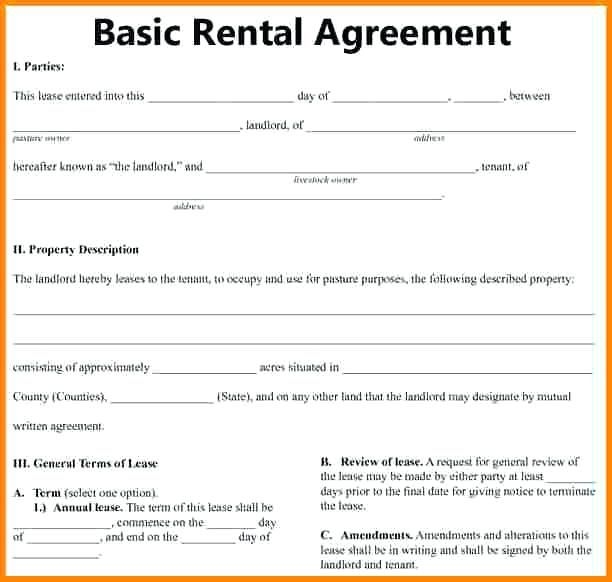 Printable Basic Rental Agreement
When creating a printable basic rental agreement, it’s important to include key details such as the names of the landlord and tenant, the property address, the rent amount and due date, the lease term, and any rules or regulations that the tenant must follow. Having these details clearly outlined can help prevent misunderstandings or disputes down the line.
Additionally, including clauses regarding maintenance responsibilities, security deposits, and the process for handling repairs or disputes can help protect both parties and ensure a smooth rental process. It’s also important to include information on how and when the agreement can be terminated, as well as any consequences for breaking the terms of the agreement.
Overall, having a printable basic rental agreement is essential for both landlords and tenants. It provides a clear and legally binding document that outlines the terms of the rental, helping to protect both parties and prevent any misunderstandings or disputes. By including key details and clauses, both landlords and tenants can feel more secure in their rental agreement and focus on enjoying their time in the property.
In conclusion, a printable basic rental agreement is a valuable tool for both landlords and tenants. By clearly outlining the terms of the rental, including key details and clauses, both parties can ensure a smooth and successful rental experience. Having a written record of the agreement can help prevent disputes and protect the interests of both the landlord and the tenant.