Are you a landlord or a tenant in Ontario looking for a printable lease agreement? Look no further! Having a written lease agreement is crucial for both parties to protect their rights and responsibilities. In Ontario, a lease agreement must comply with the Residential Tenancies Act, which outlines the rules and regulations for landlords and tenants.
By having a written lease agreement, both parties can avoid any misunderstandings or disputes that may arise during the tenancy. It provides a clear outline of the terms and conditions of the rental agreement, including the rent amount, duration of the lease, responsibilities of both parties, and any specific rules or regulations.
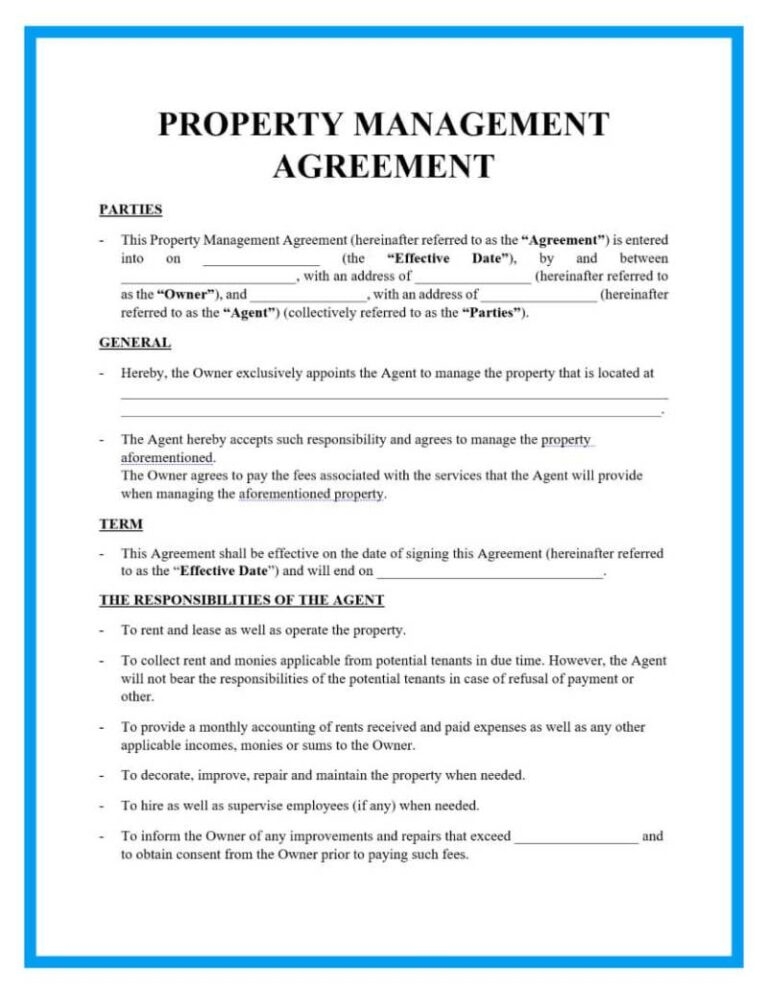 Printable Lease Agreement Ontario
When creating a printable lease agreement in Ontario, it is important to include all the necessary information required by law. This includes the names of the landlord and tenant, the address of the rental property, the start and end date of the lease, the amount of rent and when it is due, and any additional terms or conditions agreed upon by both parties.
In addition, the lease agreement should also include information about the security deposit, maintenance responsibilities, rules regarding pets, subletting, and any other important details that may impact the tenancy. It is important for both parties to review the lease agreement carefully before signing to ensure that they understand and agree to all the terms and conditions.
Once the lease agreement is signed by both parties, each party should keep a copy for their records. It is also a good idea to have the lease agreement witnessed or notarized to provide additional legal protection in case of any disputes in the future. Remember, a written lease agreement is legally binding and can be enforced by the Landlord and Tenant Board in Ontario.
Overall, having a printable lease agreement in Ontario is essential for both landlords and tenants to protect their rights and ensure a smooth tenancy. By including all the necessary information and following the rules and regulations outlined in the Residential Tenancies Act, both parties can avoid any potential issues and enjoy a positive rental experience.